

Prostate cancer is the most common cancer among men in developed countries. It can cause premature death and many other health problems like incontinence, pain and erectile dysfunction.
Transrectal ultrasound guided prostate biopsy is a basic tool and gold standard for prostate cancer diagnosis and one of the most practiced urological procedures worldwide.
In the recent years, an increased resistance of rectal flora to standard antimicrobial prophylaxis is associated with a rise of severe infectious complications and hospital readmission rate.
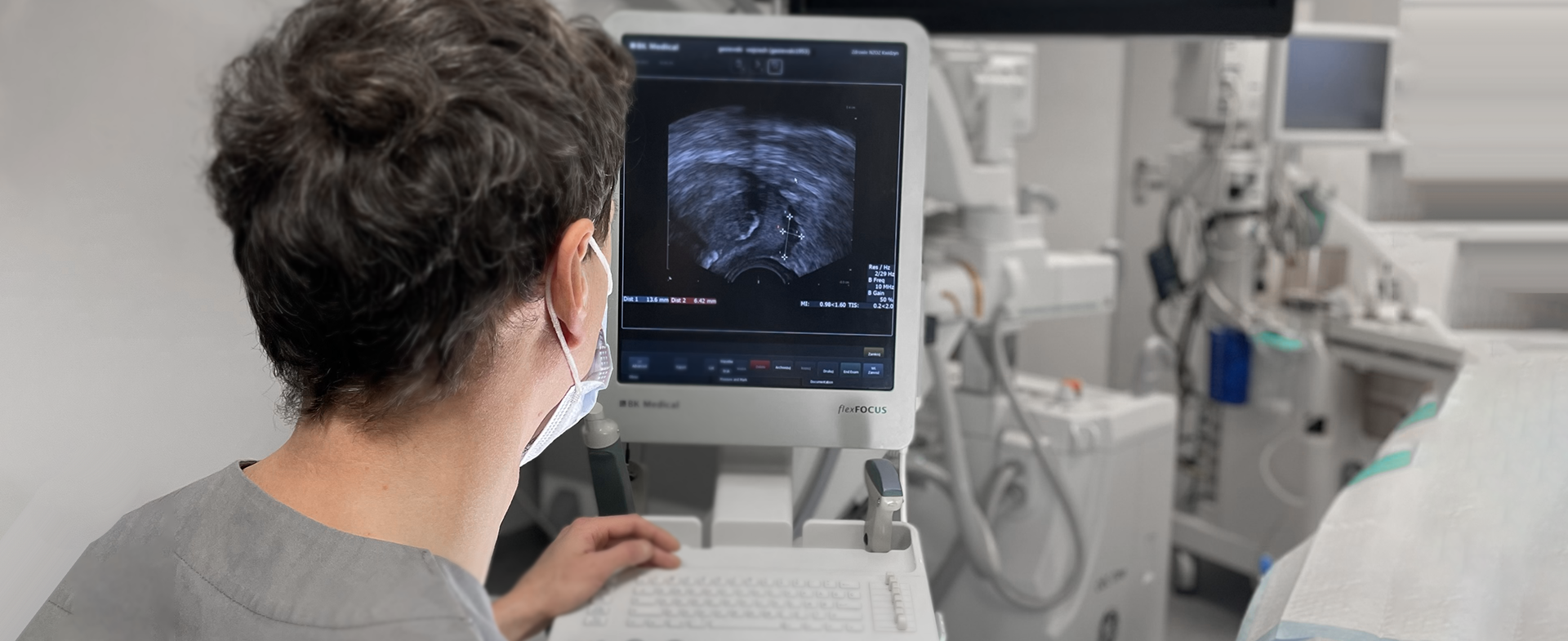
The most common complications following transrectal prostate biopsy performed by known prostate biopsy needles are hematuria and hematospermia. However, the most serious clinical problems are infectious complications occur after the prostate biopsy.
During the procedure, after introduction of the needle through the rectum, the intestinal bacteria are transferred into the blood and the prostate. Patients undergoing prostate biopsy are exposed to urinary tract infections, prostatitis, and even severe septic complications.

Serious risk and problem for patients
Personal / financial responsibility for urologists
Very high treatment costs for national healthcare systems and hospitals
High liability / payouts for insurance companies

Solution is a unique prostate biopsy needles kit that delivers an effective antibiotic combination directly to the prostate


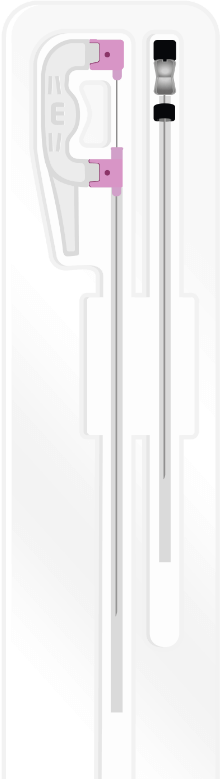
DEBN is a medical device which is a novel approach to the problem of TRUS-Bx related infectious complications. It consists of a polymer coated biopsy needle and anesthesia needle that release the drug directly to the prostate during the procedure.
This solution may allow the co-administration of various antibiotics, thereby broaden their spectrum of activity and potentially reducing the number of infectious complications. Very first model of DEBN contains poly(vinyl alcohol) and amikacin.
Transrectal intraprostatic antibiotics injections have been studied until now only as method of treatment for prostatitis and chronic pelvic pain syndrome. In 2013 Issa et al. published the first focuses on the biopsy needle as a vector of TRUS-Bx related infections. Authors described a simple and effective method to reduce the risk of infection after prostate biopsy with formalin disinfection of the biopsy needle after each prostate biopsy core. They found an association between the use of this technique and lower incidence rate of urinary infection and sepsis. However, repeat formalin exposure during prostate biopsy may increase the risk of toxicity and adverse effects. DEBN is the first medical device which enable simultaneous organ-targeted delivery of antibiotics during prostate biopsy procedure. Novelty, inventive step and industrial applicability of DEBNs have been confirmed by a decision of European Patent Office.
Intraprostatic injection was first described in 1983 by Baert et al. Since than, a number of investigators have advocated direct injection of antibiotics (including amikacin and ciprofloxacin) into the prostate gland due to prostatitis . Those authors demonstrated safety and feasibility of this procedure. However this method has never been used as an antibiotic prophylaxis prior prostate biopsy.
The high-performance liquid chromatography analysis and the bacterial growth inhibition test showed that DEBNs released high concentrations of amikacin and ciprofloxacin and have strong bactericidal activity against E. coli. The addition of intravenous amikacin to oral ciprofloxacin prophylaxis significantly reduces the incidence of septicemia after prostate biopsy. However, administering intravenous amikacin is not easy nor cost-effective and often requires hospitalization . Drug-Eluting Biopsy Needle could deliver combined antibiotic prophylaxis to the prostate without hospitalization need. Furthermore, Bahk et al. concluded that the direct intraprostatic injection of fluoroquinolone provides antibiotic activity in the entire prostate.
DEBN + standard oral prophylaxis was non-inferior to extended systemic antibiotic prophylaxis in preventing infectious complications after transrectal prostate biopsy, in both the per-protocol (PP) and modified intention-to-treat (mITT) populations.
Randomized · multicenter · double-blind trial
vs. extended systemic prophylaxis
No Grade III–V complications · all events resolved
Effective, but a burden to deliver
Extended protection. No extra systemic antibiotic.
Request the full clinical dossier, partnership deck, or schedule a call.
Contact us nowWe are developing our R&D project with many external experts that supporting us in each field of the project. Our core team members are:

Doctor of Medicine and Philosophy and Certified Urologist

Medical Doctor
and Certified Urologist


General Manager
We are at your disposal.
Please do not hesitate to leave a message whether you are interested in additional trials with DEBN needles in your clinic or looking to distribute the final product on your market.
